The Wound Badge
It was a military award first established by Kaiser Wilhelm II on March 3, 1918. The award was renewed on May 22, 1939, by Adolf Hitler for German volunteers in the Spanish Civil War. On September 1, 1939, Adolf Hitler renewed the Wound Badge for the duration of World War II.
Design of the Wound Badge
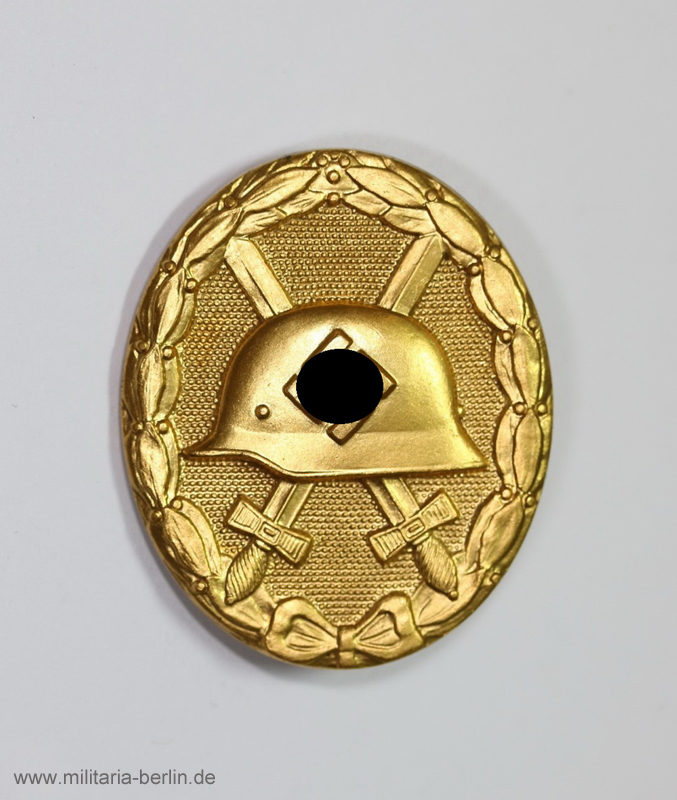
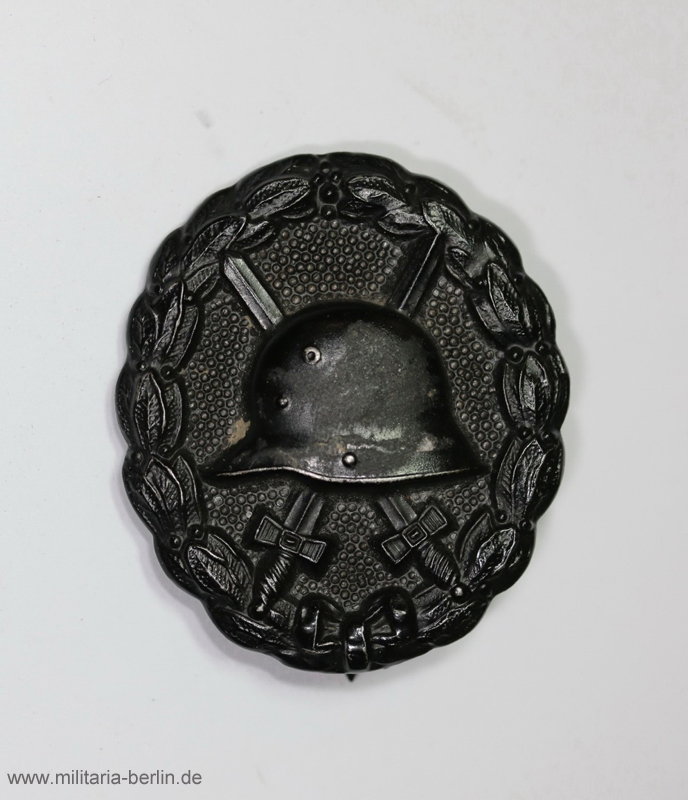
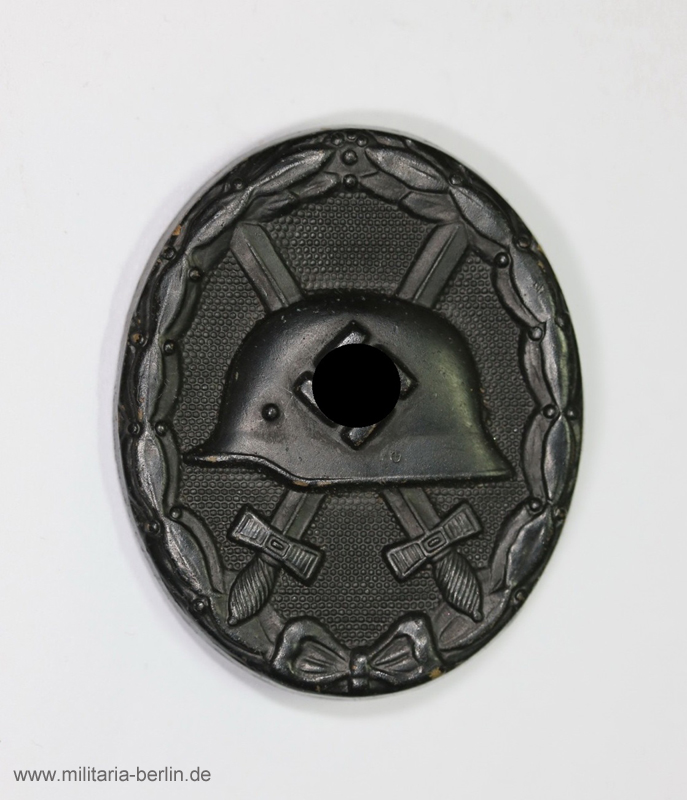
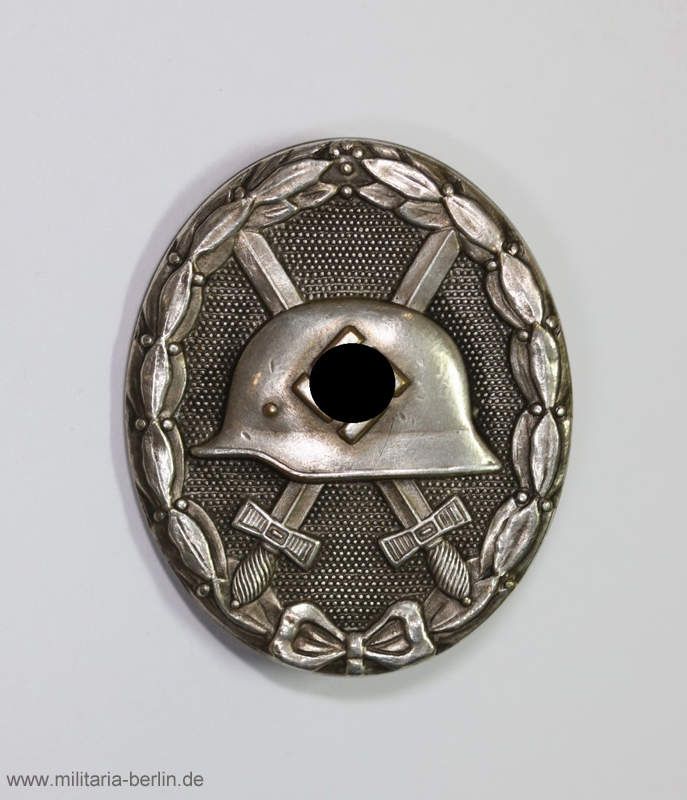
A tall oval badge, with the German steel helmet in the center and two crossed swords behind it. Surrounded by a laurel wreath tied in a bow at the bottom. The space between the wreath, steel helmet, and swords is grained, or, in openwork versions, clear.
In the two foundations after 1918, the steel helmet also had a swastika.
The naval variant features an anchor in the center, with two crossed swords above it, surrounded by an anchor chain. The background is grainy.
All badges were awarded in black, silver, and gold. Some bear manufacturer's markings on the reverse. For example, the "30" indicates the Vienna Mint.
Requirements for the award of the Wound Badge
All soldiers injured by enemy action, through no fault of their own, or by severe frostbite during combat were eligible for the award. The medal was awarded in black for single or double wounds, in silver for three or four wounds, and in gold for five or more wounds. In cases of severe wounds with permanent impairments, levels could be skipped. For example, in cases of permanent blindness resulting from a wound, even for the first wound, the Wound Badge was awarded in gold. In cases of the loss of an arm, even for the first wound, the Wound Badge was awarded in silver.
Wearing the Wound Badge
The badge was worn on the left breast if the recipient was a holder of the Iron Cross 1st Class, below the Iron Cross. However, it was worn above the golden Party badge or the various sports badges.
Value and purchase
Due to the large variety of different variants, an exact value can only be determined individually. The black and silver badges have been awarded millions of times and are rarely worth more than €20 and €50, respectively. Gold badges, however, can sometimes cost several hundred euros. Large estates, including certificates, photos, etc., can sometimes be worth well over €1.000.